Commercial Waste Byfleet

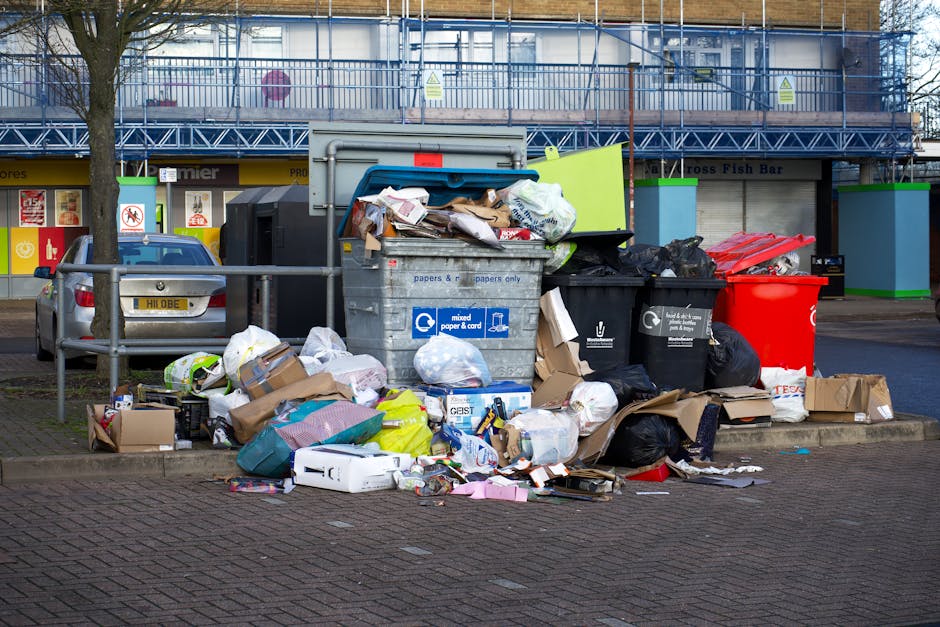
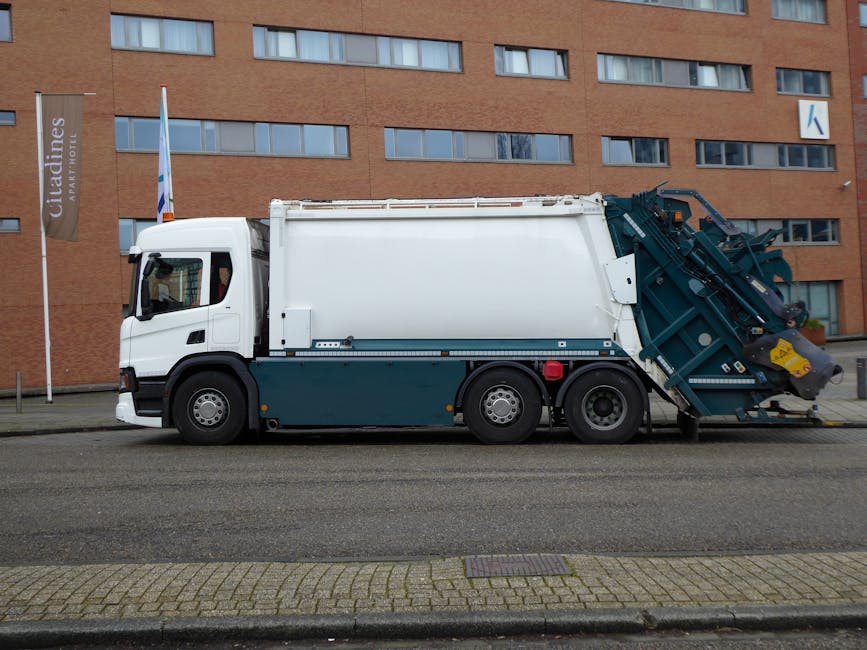
Commercial waste in Byfleet needs a practical service that keeps premises clear, separates recyclable material where possible, and handles day-to-day refuse without creating extra disruption for staff or customers. Our commercial waste removal service is arranged around the kinds of material businesses produce most often, from mixed office rubbish and packaging to heavier discard from storage areas, refreshment spaces, and light trade activities. The aim is straightforward: collect waste responsibly, keep the process orderly, and make it easier to manage ongoing disposal without clutter building up in back rooms, yards, or loading areas.
We work with businesses that want a scheduled or one-off solution for commercial waste in Byfleet, with careful handling of items that need to be separated before disposal. That can include general rubbish, cardboard, office furniture, redundant fixtures, broken equipment, and other non-hazardous materials that no longer have a place on site. Where required, we can also support clearer segregation so different waste streams are not mixed unnecessarily, helping you keep the service tidy and the disposal process simple.
Tell us what type of waste you have, how much needs removing, and when access is available, then request a quotation in the way that suits you best. A brief note about the material, the collection point and any lifting considerations is usually enough to begin the process.
Business waste collections for regular premises
Routine commercial waste collection is often the most efficient choice for premises that generate a steady flow of rubbish rather than an occasional bulk load. Offices, retail units, workshops, clinics, managed properties and storage spaces can all produce a mix of items that need to be removed with minimal interruption. We can help clear non-hazardous waste that would otherwise accumulate in staff areas, bin stores or service yards, keeping those spaces easier to use and easier to manage.
Collection work is usually organised around the type of waste and the practical conditions on site. For example, lightweight packaging, paper and archive material are handled differently from broken fixtures, bulky equipment or contents from a store room clearance. If you are comparing options, the business waste removal page gives a useful overview of the main service. For premises with ongoing disposal needs, that sort of structured approach can be more suitable than treating each load as a separate one-off job.
Useful planning points often include access, loading space and whether the waste is already bagged or stacked. A concise list of items is enough in many cases, and it helps us understand whether the collection will involve loose sacks, mixed office rubbish, packaging, or bulkier items that require more careful handling. If your site has constraints such as stairs, narrow corridors or a shared car park, mention those early so the collection can be organised sensibly and the visit remains efficient.
Office clearance and internal workplace waste

Office waste is rarely just paper. Desks, chairs, storage units, monitors, surplus filing, old reception furniture and general rubbish can all appear during refurbishment, downsizing or an overdue clear-out. Our office clearance support is intended for businesses that want those items removed in a controlled way rather than trying to manage them through ordinary refuse bins. The focus is on practical clearance, careful lifting and sensible separation of material where this can be done without creating delays.
Where office items are being replaced, it is often helpful to distinguish what should be removed immediately from what may still be needed for operations later in the day. The office clearance page is relevant if you are dealing with workstations, meeting furniture or archived stock that no longer has a place in the workplace. If several item types are involved, a single visit may still be enough, provided the access route and the load are described clearly in advance.
For more specialised disposal within the office environment, we can also help with confidential shredding when paper records, files or printed materials need secure handling as part of the wider clearance process. That service is useful where routine waste collection is not enough because sensitive paper must be managed differently from standard recycling or mixed rubbish. It sits alongside the main waste clearance work rather than replacing it.
Furniture, fixtures and bulky item removal
Commercial premises often need help removing items that are too large, awkward or heavy for ordinary bin collections. Chairs, desks, cabinets, shelving, display units and similar pieces can take up valuable room if they are no longer useful, especially when a business is changing layout or replacing equipment. We remove these items as part of a broader commercial waste service, with attention to safe lifting and to the route the items need to take out of the building.
Some premises only need a small number of bulky items taken away, while others are dealing with a fuller room clearance after an office refresh or a stock change. Where the items are mainly domestic-style furnishings, the furniture disposal page gives a clearer fit for the sort of objects involved. If the items are mixed with office rubbish or broken fittings, it may be better to describe the whole load together so the collection can be planned as one coherent visit.
Bulky waste is usually easier to manage when the items are gathered in one place before collection, but they do not always need to be moved outdoors in advance. In many cases, we can work from a reception area, storage room or upper-floor office if access is clear and the route is safe. The key is that the collection is matched to the site rather than forcing the site to fit an inflexible disposal pattern.
Specialist item disposal and restricted materials
Some business waste can be handled through standard commercial removal, while other items need extra care because they are regulated, awkward, or unsuitable for general mixed disposal. Refrigerators, freezers, certain appliances and similar items can require separate treatment. If your premises are clearing out refreshment areas, staff kitchens or storage rooms, it is sensible to identify these items from the outset so they are not mixed in with ordinary rubbish by mistake. This keeps the disposal process clearer and avoids unnecessary sorting later on.
When appliance disposal is part of the job, the fridge and appliance removal page is a useful reference point for the kinds of items that typically need distinct handling. For other awkward loads, the mattress and sofa disposal page covers bulky soft-furnishings that can arise in break areas, furnished lets or hospitality settings. Both pages reflect how different item groups may need different disposal routes depending on material and condition.
Not every unusual item belongs in the same category, so it helps to separate what is standard commercial rubbish from what may need a specific disposal arrangement. If a clearance includes both general waste and a small number of specialist pieces, we can usually discuss the load as a whole and decide what needs individual treatment. That practical distinction keeps the service usable for businesses without adding unnecessary complexity.
Clearance for garages, storage rooms and overflow areas

Commercial waste is not limited to front-of-house spaces. Many businesses keep older stock, archived material, tools, packaging, seasonal items or redundant equipment in garages, basements, sheds or internal store rooms. Over time, these spaces can become harder to use efficiently, especially when waste is left alongside items that are still in circulation. Our clearance work can help recover usable space by removing the waste that has accumulated in these back-of-house areas.
If your premises has a storage area that needs attention, the garage clearance page is a sensible fit for the kind of mixed, space-consuming material often found there. For other parts of the building, the loft clearance page may be relevant where upper storage has become congested with old files, boxes or redundant goods. The exact room matters less than the practical question of access, loading and what is actually being removed.
There is often a useful distinction between things that should be kept for operations and things that have become waste but are still sitting on site. A thoughtful clearance does not need to be rushed; it needs to be organised. If you can group the obvious waste in one area and note any items that are fragile, dusty or difficult to reach, the collection can be planned more accurately and with less disruption to the rest of the building.
Garden, outdoor and yard waste from business premises
Some commercial sites produce waste outdoors rather than inside the building. Landscaped areas, car parks, yards, outdoor seating, trade entrances and communal grounds can all generate green waste, broken planters, soil, cuttings, packaging and assorted rubbish after maintenance work or site tidy-up. Our commercial waste service can include these outdoor materials when they are part of a sensible, non-hazardous load that needs removing from the premises.
For greener material and general outside clearance, the garden clearance page covers the sort of waste often left after pruning, seasonal maintenance or site presentation work. If the job also involves mixed debris from a building or refurbishment project, the broader builders waste clearance page may be more appropriate. Choosing the right category matters because it helps keep the disposal method aligned with the actual waste, rather than forcing everything into a single generic label.
Outdoor work is usually easiest when the waste is grouped by area, for example around a rear entrance, a service yard or a boundary line where maintenance has taken place. That makes it simpler to identify what is being removed, what should remain on site, and whether any items need to be lifted over uneven ground or carried through a shared access route. Clear preparation does not need to be elaborate; it just needs to be practical.
About Byfleet

Byfleet is a village in Surrey with a history shaped by its position close to the River Wey and the modern transport corridors that connect the area with nearby towns and London. It lies within the Borough of Woking and retains a recognisable village centre with a mix of older buildings, local shops and residential streets. The area has long been associated with farming and riverside activity, and traces of that past remain in its street pattern and in the character of the built environment. St Mary’s Church, a notable local landmark, reflects the village’s older ecclesiastical history, while the surrounding lanes and listed buildings give a sense of continuity with earlier periods of settlement. Byfleet also sits near the edge of a wider landscape of waterways, open ground and managed development, so the place combines historic texture with more modern layers of housing and commerce. The nearby River Wey Navigation and local green spaces have helped shape both movement and leisure in the district, and the village remains connected to a broader pattern of Surrey communities that have evolved alongside rail and road links. Although it is often discussed in relation to larger neighbouring centres, Byfleet has its own identity, with an everyday life built around local services, residential streets and a compact centre rather than the scale of a town.
House clearances, conversions and mixed commercial loads
There are occasions when a business load resembles a house clearance because it contains a broad mix of furniture, soft furnishings, personal effects, storage items and general rubbish. This can happen in converted premises, short-let properties used commercially, managed estates or buildings that have been used in more than one way over time. In those situations, the waste still needs a practical removal plan, but the emphasis is on identifying the load accurately rather than on where the items originally came from.
For mixed contents that include domestic-style items alongside operational rubbish, the house clearance and home-clearance pages show the type of clearance work that may be relevant. Where the property is smaller or more contained, flat clearance may be the closer fit. These pages are helpful references when the site contains a blend of furnishings, general clutter and waste that does not belong to a single narrow category.
When you are preparing this kind of enquiry, it helps to say whether the clearance concerns the whole property, one room, or just specific items from a mixed load. That simple distinction makes it easier to decide what equipment and lifting approach may be needed. One clear description is usually better than a long list of assumptions, especially where access or item types vary from room to room.
Pricing factors and quotation details

Commercial waste pricing is normally influenced by the type of waste, the amount to be removed, the time needed for loading, and any complications involving access or segregation. A pile of cardboard, paper and lightweight packaging will not require the same handling as a room of mixed furniture, appliances and discarded fittings. The more accurately the load is described, the easier it is to quote in a way that reflects the actual work rather than a rough guess.
The pricing and quotes page is the best place to look if you want to understand how a quotation may be formed from the information you provide. For some jobs, especially when materials are straightforward, a concise description is enough. For others, it helps to mention floor level, parking, opening times, lift access and any items that need special handling. If you are uncertain whether a load is straightforward, it is usually better to say so than to leave out a key detail.
Use the clearest practical summary you can give: what needs removing, roughly how much there is, where it is located, and when it can be accessed. That is the kind of information that helps produce a more useful quotation and avoids unnecessary back-and-forth. Request a quotation when you are ready, and let us know if the waste is mixed, bulky or spread across more than one area.
Recycling, responsible handling and next steps
Commercial waste should be handled with an eye to both practicality and responsible sorting. Many business loads contain a mixture of recyclable and non-recyclable material, and separating those streams where feasible can make disposal more orderly. Cardboard, paper, metal items, reusable fixtures and certain plastics may be distinct from mixed rubbish, while some items require their own route because of size or composition. The goal is not to complicate the service, but to avoid treating every item as though it belongs in the same pile.
If you want to understand the wider approach to sorting and resource recovery, the recycling and sustainability page is a useful companion to the core removal service. In practice, many businesses simply want their waste cleared without unnecessary fuss, but it still helps when the disposal plan reflects the different materials involved. A well-managed clearance can deal with mixed waste while still respecting the fact that not all waste is the same.
If you have waste ready for collection, the next step is simple: send over the basic details, ask for a quotation, and tell us whether the job is a one-off clearance or part of a regular disposal need. You can keep it brief and still provide enough detail for the job to be assessed properly. If the material is awkward or varied, include that too so the final arrangement matches the load. Request a quotation today and we will help you plan the collection.